
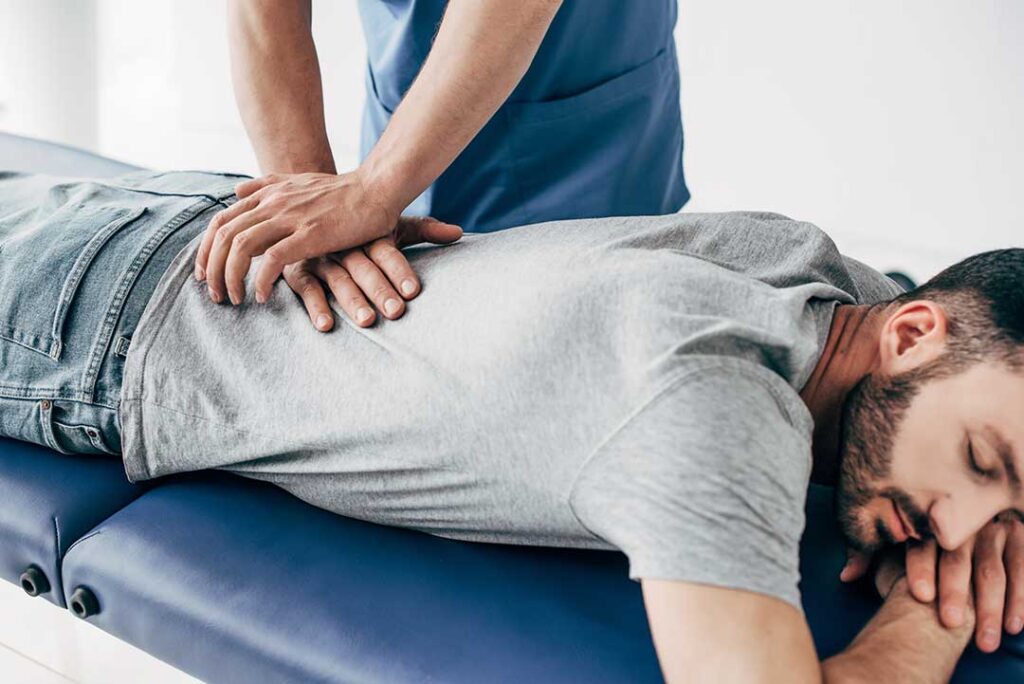
What does regular spinal maintenance mean?
In Amherst, NY, “regular spinal maintenance” usually refers to periodic care intended to support comfortable movement, manage recurring musculoskeletal symptoms, or address stiffness before it interferes with daily activities. It may include spinal manipulation, mobilization, exercise guidance, posture review, and advice about lifting or activity habits.
The term does not describe a single medically standardized program. A maintenance plan should be based on a person’s symptoms, examination findings, goals, health history, and response to care—not simply on a fixed schedule.
Spinal care can be useful for some people with back or neck discomfort, but it should not be presented as a guarantee against future pain or as a substitute for general physical activity. Research supports modest improvements in pain and function for some forms of low-back pain, while evidence for routine treatment of people who have no symptoms is more limited. ([nccih.nih.gov](https://www.nccih.nih.gov/health/spinal-manipulation-what-you-need-to-know?6df6a1c6_page=3&utm_source=openai))
How might periodic spinal care help?
The clearest potential benefit is improved comfort and movement for certain musculoskeletal problems. Spinal manipulation or mobilization may provide small short-term improvements in pain and function for adults with acute or chronic nonspecific low-back pain. Function includes activities such as walking, standing, sleeping, working, and completing household tasks. ([nccih.nih.gov](https://www.nccih.nih.gov/health/spinal-manipulation-what-you-need-to-know?6df6a1c6_page=3&utm_source=openai))
For some residents, the practical benefits may include:
- Easier movement after prolonged sitting or driving
- Less stiffness during household work or recreation
- Improved tolerance for walking, standing, or lifting
- Support while returning gradually to normal activity after a minor strain
- Greater awareness of posture, movement habits, and load management
These benefits vary considerably. A person may feel better after treatment because joint movement, muscle tension, activity levels, or pain sensitivity have changed. That does not necessarily mean a bone was “out of place” and permanently put back into position.
Can regular adjustments prevent back pain?
There is not strong evidence that routine spinal adjustments prevent all future back pain in otherwise symptom-free adults. Regular care may help some people manage recurring symptoms, but prevention depends on more than treatment frequency.
A broader maintenance approach often includes:
- Regular walking and strengthening exercises
- Gradual increases in physical activity
- Avoiding long periods of bed rest after ordinary back strain
- Learning safer lifting and carrying habits
- Taking breaks from desk work, screen use, or driving
- Maintaining sleep routines and addressing stress
- Modifying activities temporarily when pain flares
The World Health Organization includes education, self-care, exercise, and selected physical therapies among options for chronic primary low-back pain. This supports a combined approach rather than relying on spinal manipulation alone. ([who.int](https://www.who.int/news/item/07-12-2023-who-releases-guidelines-on-chronic-low-back-pain?utm_source=openai))
Who may benefit most?
Periodic care may be reasonable for adults who experience recurrent, nonspecific back or neck discomfort and have previously found movement-based treatment helpful. It may also be useful during a gradual return to activity when the primary goal is better function rather than complete elimination of every sensation.
A thoughtful plan should answer practical questions:
- What problem is being treated?
- What improvement should be noticeable?
- How will progress be measured?
- What exercises or daily habits support the result?
- When should treatment be reduced, changed, or stopped?
For example, useful goals might include standing through a work shift with less discomfort, walking for a certain length of time, sleeping more comfortably, or lifting ordinary household objects with improved confidence.
If there is no measurable improvement after a reasonable trial, continuing indefinitely without reassessment may not be useful. Maintenance should be responsive to the person’s progress, not automatic.
What should residents consider during Amherst winters?
Seasonal conditions can influence how the spine and surrounding muscles feel. Snow removal, slippery walkways, cold-weather stiffness, and sudden increases in physical work can all contribute to strains. Homes with stairs, long driveways, or frequent shoveling responsibilities may create additional demands during winter storms.
A few practical precautions can reduce unnecessary stress:
- Warm up with gentle movement before shoveling or other strenuous outdoor work.
- Push snow when possible instead of repeatedly lifting heavy loads.
- Use the legs and hips when lifting, keeping the load close to the body.
- Change direction by moving the feet rather than twisting through the lower back.
- Take short breaks before fatigue leads to rushed or awkward movements.
- Avoid returning immediately to strenuous activity after a painful strain.
These habits are useful regardless of whether someone receives spinal care. They also help distinguish a one-time overload injury from a persistent problem requiring further evaluation.
Is spinal maintenance the same as fixing spinal misalignment?
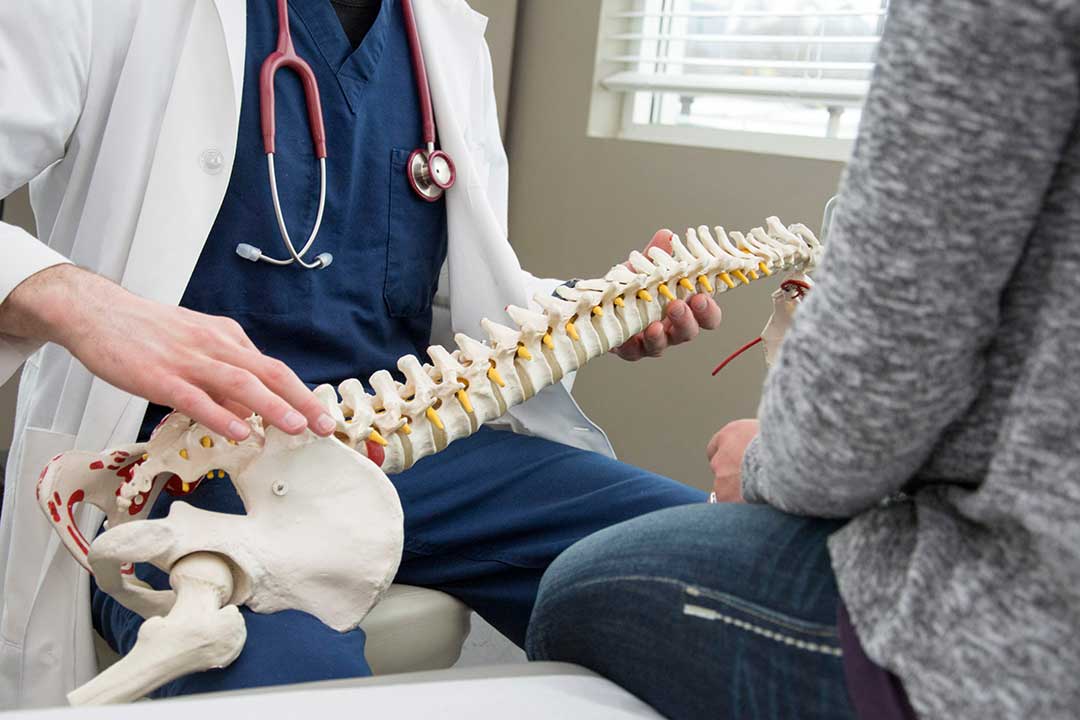
Not necessarily. The spine is a strong, adaptable structure, and ordinary stiffness does not automatically mean that a vertebra is dangerously displaced. Clinicians may use terms such as restricted movement, joint irritation, muscle guarding, or mechanical back pain to describe symptoms, but these terms should not be treated as proof of a serious structural problem.
Spinal manipulation is generally intended to influence movement and symptoms. It does not “detox” the body, restore every organ to proper function, or guarantee better overall health. Claims that extend far beyond pain and movement are not supported by the evidence summarized by federal health resources. ([nccih.nih.gov](https://www.nccih.nih.gov/health/spinal-manipulation-what-you-need-to-know?6df6a1c6_page=3&utm_source=openai))
Are there risks or reasons to avoid an adjustment?
Most people experience only temporary soreness, stiffness, or mild discomfort after spinal manipulation. Serious complications are uncommon, but they can occur. Reported concerns include worsening of a disc problem, nerve compression, and rare vascular complications associated particularly with neck manipulation. ([mayoclinic.org](https://www.mayoclinic.org/tests-procedures/chiropractic-adjustment/about/pac-20393513?utm_source=openai))
Extra caution or medical evaluation is appropriate when symptoms include:
- New or progressive weakness
- Numbness or tingling in an arm or leg
- Loss of bladder or bowel control
- Severe or rapidly worsening pain
- Fever, unexplained weight loss, or a history of cancer
- Significant osteoporosis or a recent fracture
- Major trauma, such as a fall or collision
- Severe headache, dizziness, vision changes, or other unusual symptoms after neck treatment
These signs may require urgent medical assessment rather than routine maintenance care. A complete health history and physical examination should come before treatment, particularly when symptoms are new, severe, or changing.
How can someone judge whether maintenance is helping?
The most reliable measure is improved function over time. Keeping a brief record for several weeks can clarify whether care is making a meaningful difference. Useful observations include pain intensity, walking tolerance, sleep quality, work activities, exercise participation, and the time between flare-ups.
Temporary relief may still be valuable, but it should be weighed against cost, inconvenience, soreness, and the effort required to attend repeated sessions. The goal is not to create dependence on treatment. It is to help a person move more comfortably and manage symptoms with an increasing range of self-directed strategies.
For local households, regular spinal maintenance is best understood as one possible component of musculoskeletal care. Its value is greatest when paired with realistic goals, active participation, careful screening, and a willingness to reconsider the plan when symptoms do not improve.
