
For many residents in Amherst, NY, enjoying an active lifestyle in one of Western New York’s most vibrant communities means spending weekends hiking in the Amherst State Park, participating in local sports leagues, or simply tackling home improvement projects. But nothing can halt your activities faster than a shoulder that suddenly starts popping, clicking, or cracking—especially if it’s accompanied by discomfort. If you’ve wondered, “Why is my shoulder popping?” you’re not alone. Let’s dive into the causes, what you should watch out for, and how to address it right here in Amherst.
What Causes Shoulder Popping?
Shoulder popping—or crepitus—can have several causes, ranging from harmless to requiring professional attention. Understanding the root reason for your symptoms is key for proper care.
- Gas Bubbles (Cavitation):
One of the most common benign reasons is the formation and release of gas bubbles within the joint fluid. Similar to cracking your knuckles, when the shoulder moves, these bubbles can pop, producing an audible snapping or popping sound. This is typically painless and not a cause for concern.
- Tendon or Ligament Movement:
Some tendons or ligaments in your shoulder may snap over the bony structures during certain movements. This can happen frequently during activities like throwing a baseball at a Park Club game or lifting during a local CrossFit class. If this is not accompanied by pain or swelling, it’s often harmless, but persistent symptoms may warrant a check-up.
- Labral or Cartilage Tears:
The shoulder labrum is a ring of cartilage that stabilizes the joint. Tears to this ring, often from trauma, sudden movements, or repetitive use common in weekend warriors or athletes, can cause clicking or popping. This is usually associated with pain, weakness, or a sense of instability.
- Arthritis or Degenerative Changes:
With age, normal wear and tear can lead to the roughening of cartilage, causing popping, grinding, or crunching sensations, especially noticeable during activities like gardening or raking leaves in your Amherst backyard.
- Rotator Cuff Injuries:
The muscles and tendons that make up the rotator cuff are crucial to shoulder movement. Injuries here—from heavy lifting, shoveling Amherst’s winter snow, or throwing activities—can lead to abnormal movement and popping, frequently with pain or weakness.
When Should You Worry About Shoulder Popping?
Not all noises from your shoulder are cause for concern, but keep an eye (and ear) out for warning signs. You should seek professional advice if:
- The popping is associated with pain—especially sharp or lingering discomfort.
- You experience weakness or loss of shoulder function.
- There is noticeable swelling, bruising, or a lump in the shoulder.
- Your shoulder feels unstable or like it might “give out.”
- The popping started after an injury, fall, or trauma.
If you’re unsure whether your symptoms are benign, it’s always wise to get evaluated. Early intervention can prevent minor issues from becoming chronic problems.
Lifestyle Factors in Amherst That Contribute to Shoulder Issues
Living in Amherst means opportunities for both recreation and daily activities that challenge the shoulders. Consider how these local elements may play a role:
- Outdoor Enthusiasts: Frequent kayaking on Ellicott Creek or playing basketball in community parks means repetitive shoulder movement.
- Winter Weather: Amherst’s snowy winters mean residents spend significant time shoveling, a prime setup for overuse and rotator cuff injuries.
- DIY and Gardening Culture: Many residents pride themselves on maintaining beautiful landscaping or home improvements, requiring a range of shoulder motions.

If you identify with any of these activities, incorporate shoulder-friendly practices to minimize risk.
Simple Solutions for Shoulder Popping
For non-painful, intermittent popping, basic at-home care is sufficient. Here’s what Amherst locals can do:
- Strengthening Exercises: Gradual strengthening of the rotator cuff and surrounding muscles can stabilize your shoulder. Use elastic bands or light dumbbells, focusing on controlled motion.
- Stretching: Maintain flexibility with gentle shoulder stretches, especially before engaging in physical activity or yard work.
- Ergonomics: If you have a job that requires repetitive overhead movement (common in local warehouses or retail), adjust your work space or technique to decrease strain.
- Rest and Ice: If symptoms flare, rest the joint and use ice to reduce any mild swelling.
- Modify Activities: Temporarily avoid or scale back movements that trigger popping if associated with discomfort.
When to See a Chiropractor or Healthcare Provider in Amherst
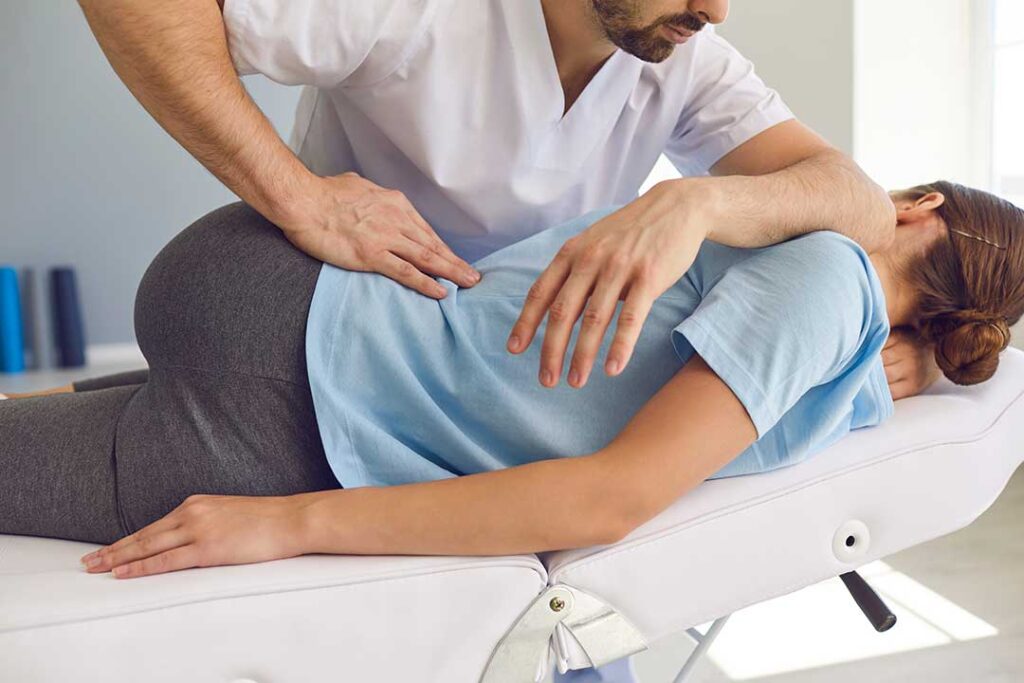
If your shoulder popping is persistent, painful, or limits your activity, consulting a professional in Amherst is a wise next step. Chiropractors are trained to assess shoulder biomechanics, rule out serious issues, and recommend personalized rehabilitation:
- Assessment: Chiropractors can identify posture imbalances or movement restrictions that may be contributing to your popping shoulder.
- Manual Therapy: Gentle adjustments, soft tissue work, and mobilization can restore normal mechanics in the shoulder and surrounding joints.
- Rehabilitation Exercises: A chiropractor will tailor a plan to your activity level, whether you’re training for a local 5K or just want to get back to gardening.
- Prevention Guidance: You’ll get expert advice suited to the local Amherst lifestyle to keep your shoulders healthy year-round.
Final Thoughts for Amherst Residents
Shoulder popping can range from a harmless annoyance to a sign of a more significant underlying issue. For most people in Amherst, minor popping that’s not painful is nothing to worry about. But if you’re concerned—or want to return quickly to your favorite local activities without setbacks—consult a shoulder specialist or chiropractor for peace of mind and lasting shoulder health.
Remember, maintaining optimal shoulder function and avoiding future injuries is all about listening to your body, applying proactive care, and seeking timely professional advice when needed. Stay active, Amherst, but keep your shoulders healthy!
