

Amherst, NY residents often ask: is joint cracking harmful?
Usually, painless joint cracking is not a sign of damage. A sound by itself does not reliably show that a joint is “out of place,” wearing out, or developing arthritis. The meaning depends on what produces the sound and whether symptoms such as pain, swelling, weakness, or limited movement occur with it.
Joint noises are common in the hands, knees, shoulders, hips, ankles, and spine. They may become more noticeable during cold weather, after physical activity, or when moving from a long period of sitting into a standing position.
What actually causes the cracking sound?
Several different processes can create a pop, crack, click, or grinding sensation.
Gas movement inside a joint
Many joints are surrounded by a capsule containing synovial fluid, which helps reduce friction. When the joint is stretched or moved quickly, pressure changes can cause dissolved gases to shift and form or release a cavity. That sudden change can produce the familiar knuckle-cracking sound.
This is also one reason a pop may be heard during some forms of spinal manipulation. The sound reflects a pressure change and gas release within or around a joint; it does not prove that a bone was “put back into place.” ([my.clevelandclinic.org](https://my.clevelandclinic.org/health/treatments/21033-chiropractic-adjustment?utm_source=openai))
Tendons or ligaments moving over bone
A tendon can shift slightly as a joint bends, then move back into position with a snap. This may happen around the shoulder, hip, knee, or ankle. It is more likely to be noticeable when muscles are tight, after repetitive activity, or when movement patterns change.
Rougher joint surfaces
A grinding or crackling sensation, sometimes called crepitus, can occur when cartilage or other tissues do not glide as smoothly as they once did. This can happen with age, previous injury, altered mechanics, or osteoarthritis. Knee crackling without pain is often not a serious problem, but pain, swelling, catching, or loss of motion changes the picture. ([newsnetwork.mayoclinic.org](https://newsnetwork.mayoclinic.org/discussion/by-itself-knee-crunching-sound-generally-not-cause-for-concern/?utm_source=openai))
Does cracking your knuckles cause arthritis?
Current medical guidance does not support the common belief that habitual knuckle cracking causes arthritis. The sound is generally related to pressure and gas changes rather than bones grinding together.
That does not mean every hand sound is harmless. A joint that is painful, swollen, visibly enlarged, weak, or difficult to move should be evaluated based on those symptoms—not simply because it makes noise. Previous fractures, ligament injuries, inflammatory conditions, and repetitive strain can affect the hand independently of knuckle cracking.
People who crack their knuckles forcefully or repeatedly may also irritate the surrounding soft tissues. If the habit causes soreness or feels difficult to control, reducing the force and frequency may help.
Is cracking the back or neck the same as cracking a knuckle?
The sound may have a similar mechanical explanation, but the body region and the risks are not identical.
Gentle movement that happens naturally—such as stretching after sitting at a desk, turning in bed, or standing after driving—usually differs from repeatedly forcing the spine into end-range twisting. Forceful self-manipulation can aggravate muscles, joints, or irritated nerves, especially if it causes pain, tingling, or a feeling of instability.
Neck manipulation deserves particular caution. The National Center for Complementary and Integrative Health reports that serious complications are rare, but neck-focused spinal manipulation has been associated with cervical artery dissection, a tear in an artery wall that can lead to stroke. The evidence about whether manipulation directly causes these events remains debated, but the potential risk should be disclosed and considered before treatment. ([nccih.nih.gov](https://www.nccih.nih.gov/health/spinal-manipulation-what-you-need-to-know?utm_source=openai))
A sudden, unusual headache or neck pain followed by dizziness, double vision, trouble speaking, facial weakness, numbness, or difficulty walking requires emergency medical attention.
When is a cracking joint a warning sign?
The sound deserves more attention when it occurs with other changes. Arrange medical evaluation for persistent or recurring joint symptoms such as:
- Pain during or after the pop
- Swelling, warmth, redness, or tenderness
- Locking, catching, or a joint that gives way
- Weakness or reduced grip
- Loss of normal range of motion
- A new noise after a fall, collision, or sports injury
- A joint that looks deformed or cannot bear weight
These symptoms can occur with sprains, tendon problems, cartilage injuries, osteoarthritis, inflammatory arthritis, or other conditions. Mayo Clinic advises prompt evaluation when joint pain is accompanied by swelling, warmth, redness, fever, severe pain, sudden swelling, deformity, or inability to use the joint. ([mayoclinic.org](https://www.mayoclinic.org/symptoms/joint-pain/basics/when-to-see-doctor/sym-20050668?p=1&reDate=25082024&utm_source=openai))
For children and teenagers, ongoing pain with popping, swelling, locking, or reduced movement should not be dismissed as ordinary growing pains. Some joint conditions are more likely during periods of sports participation or repeated loading. ([mayoclinic.org](https://www.mayoclinic.org/diseases-conditions/osteochondritis-dissecans/symptoms-causes/syc-20375887?utm_source=openai))
What can residents do at home for painless joint noises?
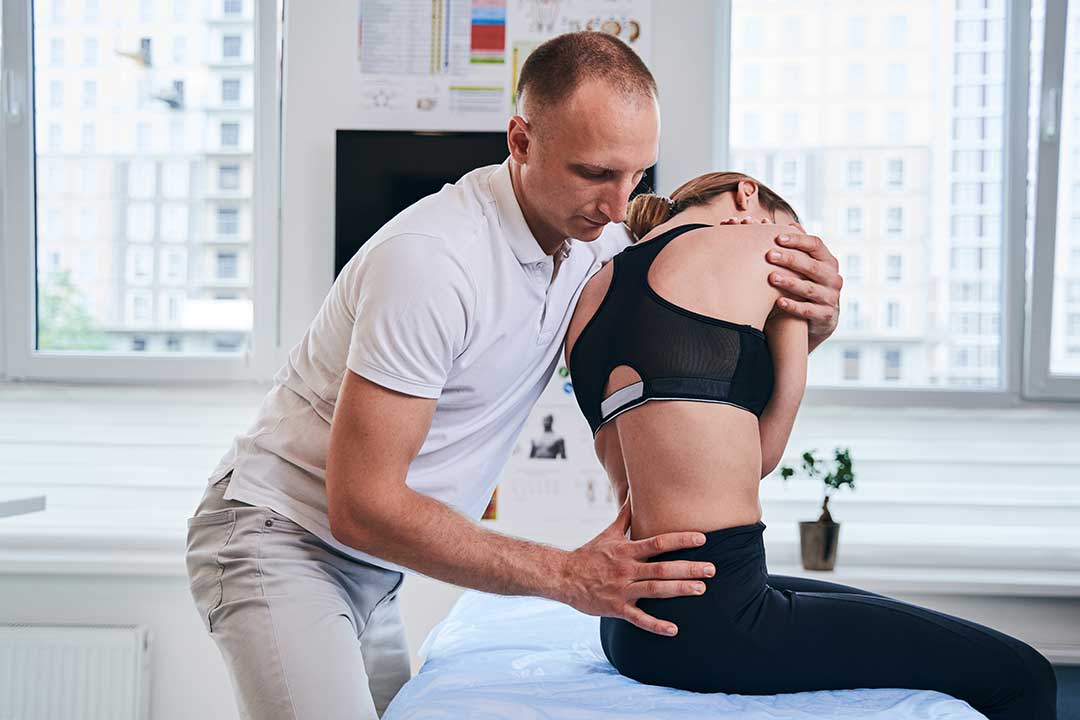
Painless noise usually does not require treatment. The practical goal is to support comfortable, confident movement rather than trying to eliminate every sound.
Helpful habits include:
- Warm up before shoveling, yard work, exercise, or recreational sports.
- Break up long periods of sitting, especially during desk work or winter indoor routines.
- Build strength gradually around the hips, knees, shoulders, and trunk.
- Use comfortable movement rather than repeatedly forcing a joint to crack.
- Pay attention to whether a new sound began after an injury or a major change in activity.
- Keep a brief record of pain, swelling, triggers, and movement limitations if symptoms persist.
Cold outdoor conditions can make muscles and soft tissues feel stiffer, but cold itself does not automatically mean a joint is being damaged. A gradual warm-up and appropriate clothing may make movement more comfortable during seasonal activities.
What does a chiropractor evaluate when a joint cracks?
A careful musculoskeletal evaluation looks beyond the noise. It may consider the location of the sound, the type of movement that produces it, recent injuries, work and exercise demands, posture, strength, coordination, and whether nerves are involved.
The central questions are:
- Is the sound painless or painful?
- Is there swelling or warmth?
- Does the joint move fully?
- Is there weakness, numbness, or tingling?
- Did the noise begin after trauma?
- Is the joint locking, catching, or giving way?
A joint does not need to crack in order to move well, and the absence of a cracking sound does not mean treatment has failed. Likewise, producing a pop should not be treated as proof that a particular diagnosis has been corrected.
For most people, painless occasional cracking is simply one of the normal sounds of movement. Persistent pain, swelling, instability, restricted motion, or neurological symptoms are more meaningful indicators that the joint needs closer attention.
