

How Does Poor Posture Affect Daily Life?
Slouching or leaning can seem harmless, especially if it feels comfortable in the moment. Over time, however, poor posture places unexpected strain on the body. For many people living in Amherst, NY—whether working long hours at a desk, commuting, or doing housework—these daily habits can gradually affect both comfort and overall well-being.
Holding an unnatural posture, like rounded shoulders or a forward head position, changes the way muscles, ligaments, and joints function. Discomfort might start as mild stiffness but can progress to chronic aches, reduced flexibility, and even affect energy levels during the region’s colder months or unpredictable weather.
What Are the Immediate Effects of Poor Posture?
Poor posture doesn’t just look awkward; it often leads to:
- Neck and upper back tension, particularly for those spending time at computers or devices
- Headaches, sometimes triggered by tension in the shoulders and jaw
- Reduced mobility, especially if stiffness builds up after working or driving all day
Local residents may notice these symptoms become worse during the winter, when more time is spent indoors and activity levels drop. Stiffness and soreness aren't just a nuisance—they could signal underlying stress on joints and soft tissue.
Can Posture Influence Long-Term Health?
Over the years, consistently poor posture affects more than muscles and joints. These changes may not be obvious at first, but gradually, they can interfere with basic functions and comfort:
- Changes in spinal shape, leading to imbalances between muscle groups
- Increased wear and tear on discs and joints, raising risk for issues like osteoarthritis
- Nerve compression, which might result in tingling, numbness, or radiating pain
- Reduced lung capacity, making it harder to breathe deeply, especially important during local cold and allergy seasons
People may brush off these changes until everyday activities, from carrying groceries to shoveling snow, become more difficult or even painful.
How Might Poor Posture Affect Mood and Energy?
The body’s alignment doesn’t just influence physical health—it can impact mental wellness too. Slouching can actually limit breathing and oxygen flow, sometimes making people feel more fatigued or less clear-headed.
Several studies suggest that upright, open postures may improve feelings of alertness and even self-confidence. In a region like Amherst, where weather can lead to longer periods indoors, paying attention to posture may help counteract some of the natural sluggishness that occurs over colder months.
Does Posture Contribute to Digestive or Circulatory Problems?
Surprisingly, the way someone sits or stands can influence more than just the muscles. Hunched posture can compress the organs of the abdomen, slowing down digestion. This is especially relevant for those who spend several hours at a desk or reading.
Similarly, crossing legs or maintaining a forward-leaning position for long stretches might affect blood flow, possibly resulting in tingling or swelling in the lower legs and feet. These symptoms may be more common in households with routine commutes or sedentary habits, especially during the region’s colder weather when outdoor activity drops off.
Are There Common Misconceptions About Improving Posture?
Many people assume that improving posture is about "standing up straight" all the time. Instead, healthy posture is dynamic—it adjusts with movement and activity. Holding rigid, tense poses can actually cause more discomfort.
It’s also a misconception that posture correction requires equipment or significant investments. Often, small adjustments throughout the day, like changing positions frequently or adding movement breaks, can provide more lasting results than any single device, cushion, or contraption.
What Are Practical Ways for Residents to Support Better Posture?
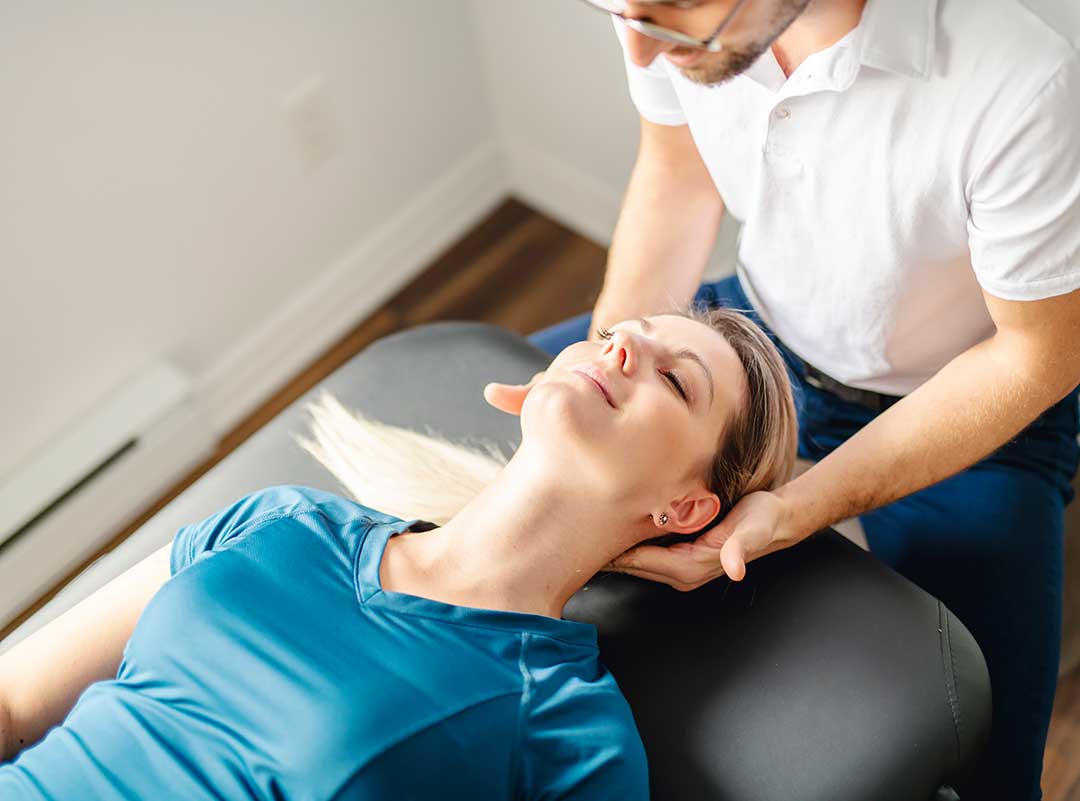
Many families in the city spend hours each week in front of screens or in cars, making small, consistent changes especially valuable. Some effective strategies include:
- Adjusting chairs and workspaces to keep screens at eye level
- Using footrests or placing feet flat on the floor while seated to support lower back alignment
- Taking short, regular breaks to stretch or move around, especially during remote work or longer periods indoors
- Staying active with activities suited to the area’s current season—like short walks, gentle stretching, or indoor exercise routines during winter
- Being mindful of posture during everyday tasks, from carrying backpacks to shoveling the driveway
These changes can be implemented gradually, making daily routines more comfortable and reducing the risk of future pain or injury.
When Should Poor Posture Be a Greater Concern?
Occasional soreness or mild stiffness is common. However, area residents should pay attention if they notice:
- Persistent pain that doesn’t improve after periods of rest or activity
- Numbness or tingling in the arms, hands, legs, or feet
- Significant changes in range of motion or joint mobility
- Digestive or breathing issues that seem to correspond with sitting or standing postures
These can hint at underlying problems that require further evaluation, especially if symptoms affect daily functioning. Prompt attention can sometimes prevent long-term consequences.
Why Does Posture Matter More Than Many People Realize?
In a community like Amherst, where household routines and work environments often involve sitting, standing, or repeated motions, posture is more than just appearance. It’s a reflection of how well the body is able to adapt to daily demands. Paying attention to alignment and movement can mean the difference between discomfort and well-being throughout the seasons, making it an essential—but often overlooked—factor in staying healthy and active.
